Beyond Montage: Sound and the Dialectic of Enlightenment in Sergei Eisenstein’s Film ¡Que viva México!
Film Grammar/Film Syntax
Artist Statement by Paul D. Miller aka DJ Spooky
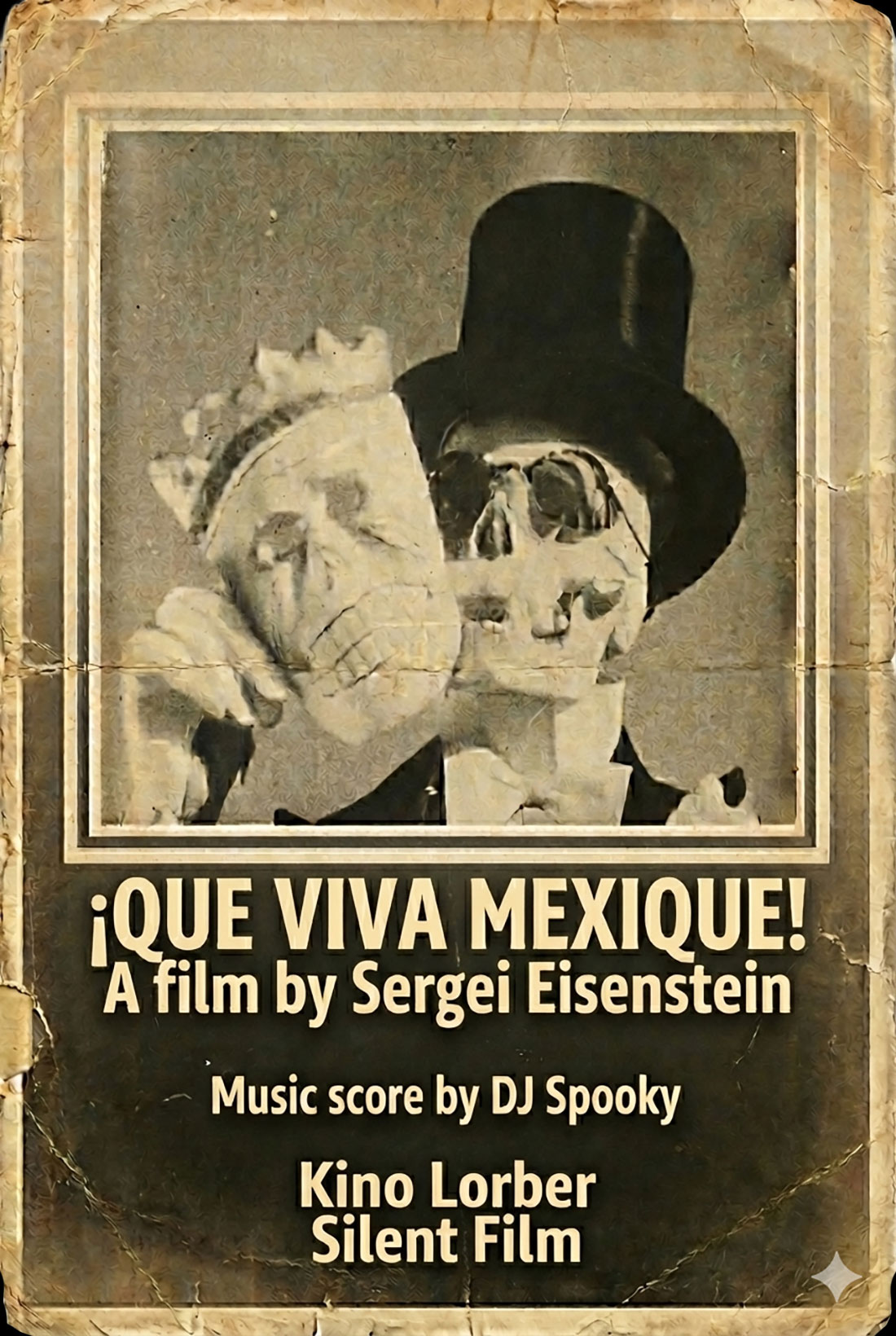
Sampling is collage is montage. Think about it for a moment. When the film company Kino-Lorber approached me to do a more contemporary score for the fragments of Eisenstein’s 1930 unfinished film “¡Que Viva Mexico!” the first thing I did was research other film scores that had influenced my thinking. Miles Davis’s classic “Ascenseur pour L’echafaud” from 1957, Sergei Prokofiev’s score for Eisenstein’s film “Ivan The Terrible” (1945-1958), Alejandro Jodorowsky’s score for his infamous film “Holy Mountain” (1973) and other more obscure and experimental films like Ennio Morricone’s score for Giulio Petroni’s 1969 film, “Tepepa,” set during the Mexican Revolution. There are so many intangible things that make the film score connect with Eisenstein. To me – collage is montage is assemblage – is dj’ing. The music score I created for “¡Que Viva Mexico!” is a reflection of my own experiences in Mexico and my own insights into how revolutionary cinema acts as a catalyst for social change.
You should always listen to the rhythm of how a film is edited. That is where the sound will take you. Fragmentation is the method and fragments are the aural tapestry’s most important element.
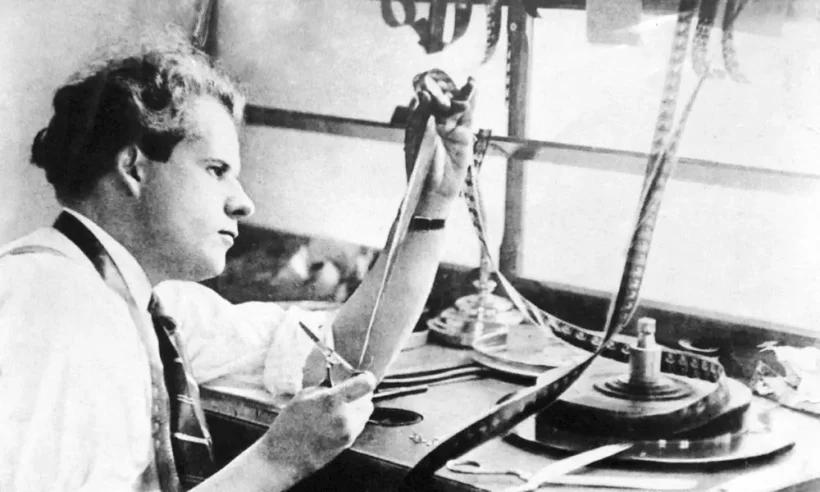
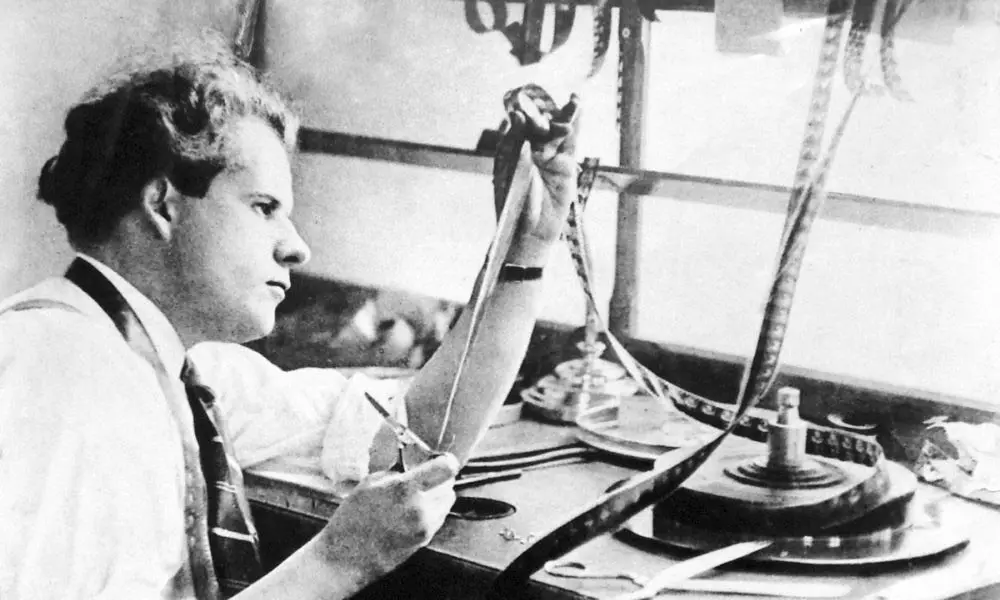
“¡Que viva México!” A cry echoing across time, a film unfinished, yet its very fragments whisper of revolution and art. Sergei Eisenstein, a master of cinematic alchemy, stands as a titan in the history of editing, his influence rippling through the very fabric of storytelling. His work, a layered tapestry woven from technology and narrative, reflects the shifting sands of societal perception, history itself a collage of perspectives. I like to think of Eisenstein as one of the first storytellers to really explore how collage based narrative, the political economy of images and sound – all intersect in a masterpiece of multidimensional art.
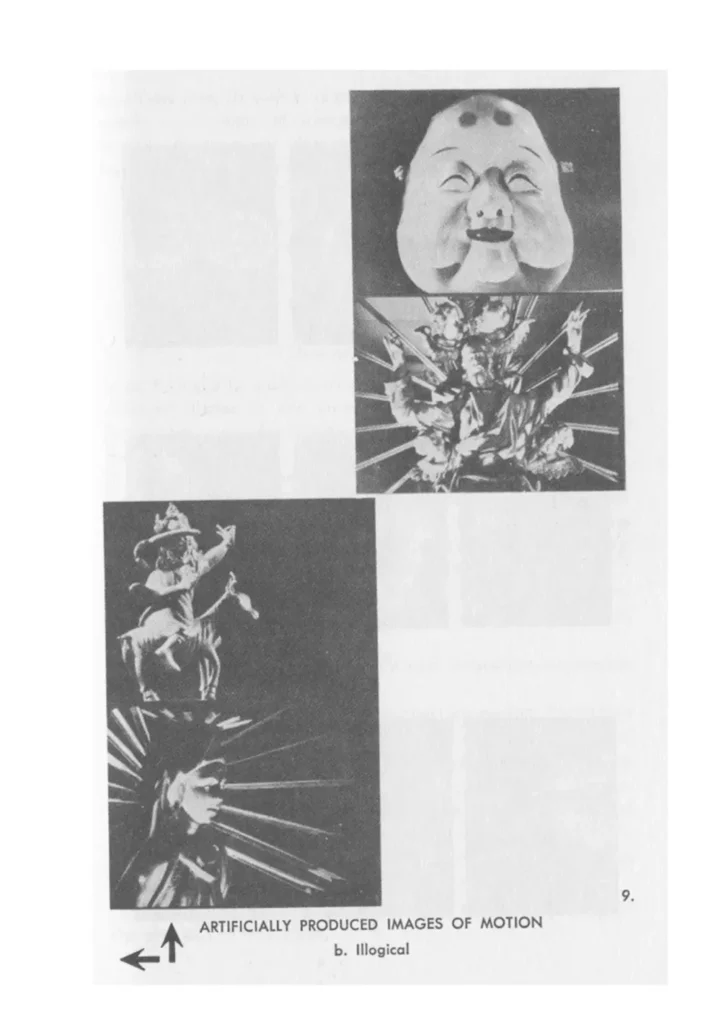
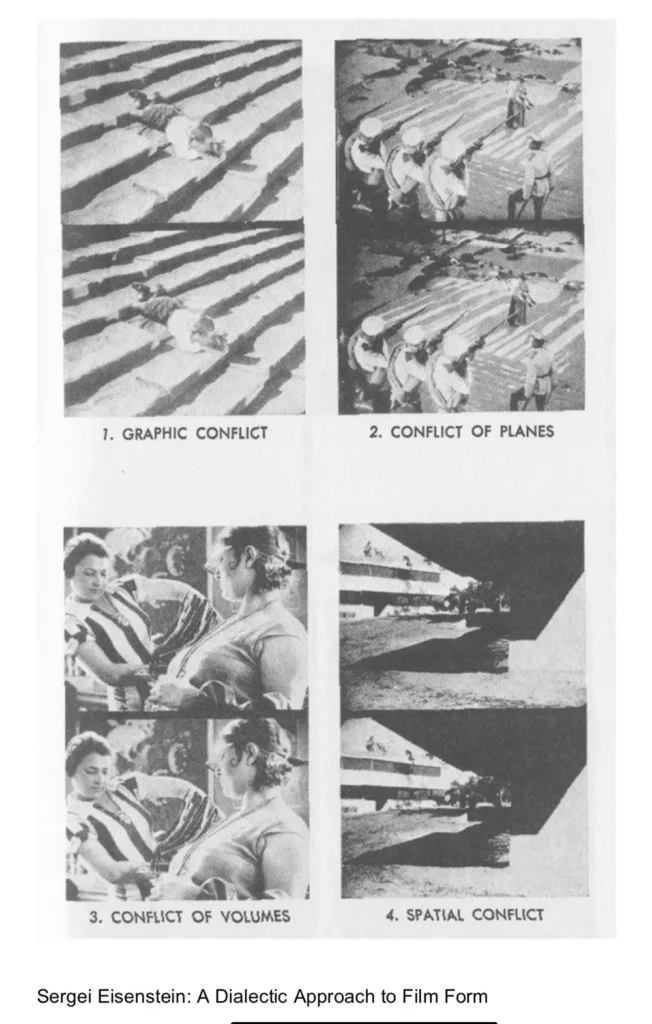
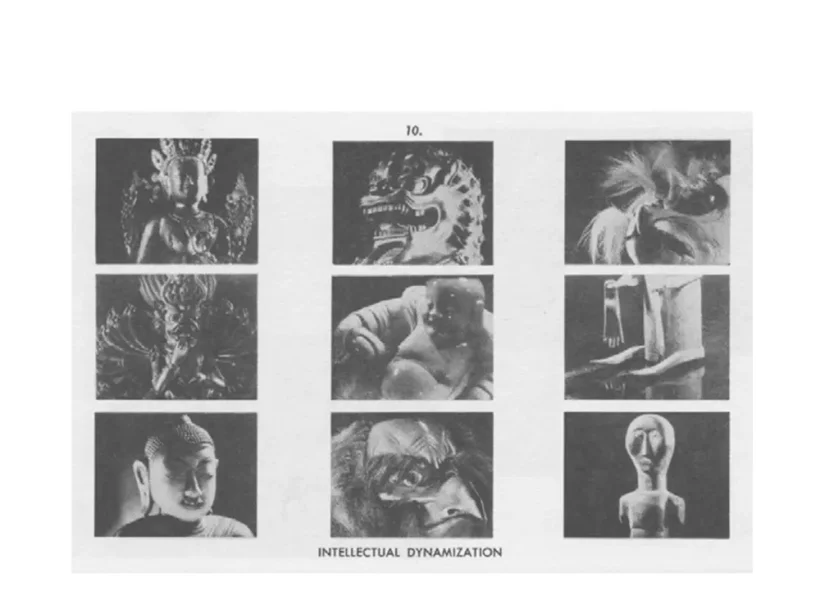
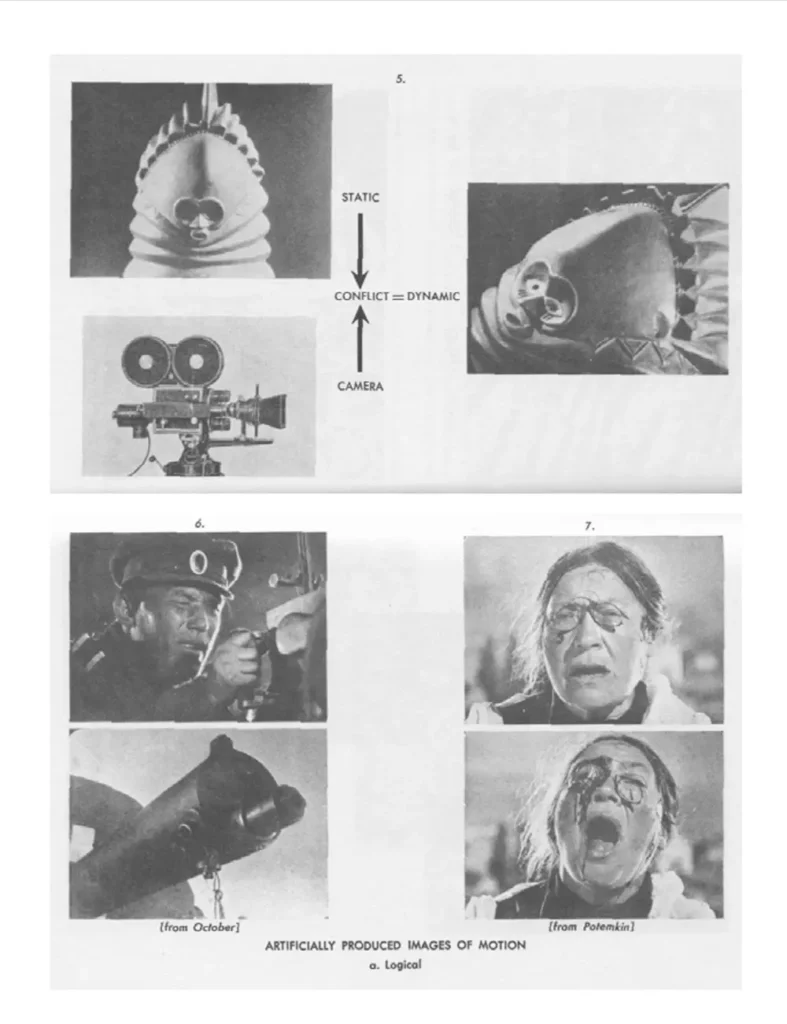
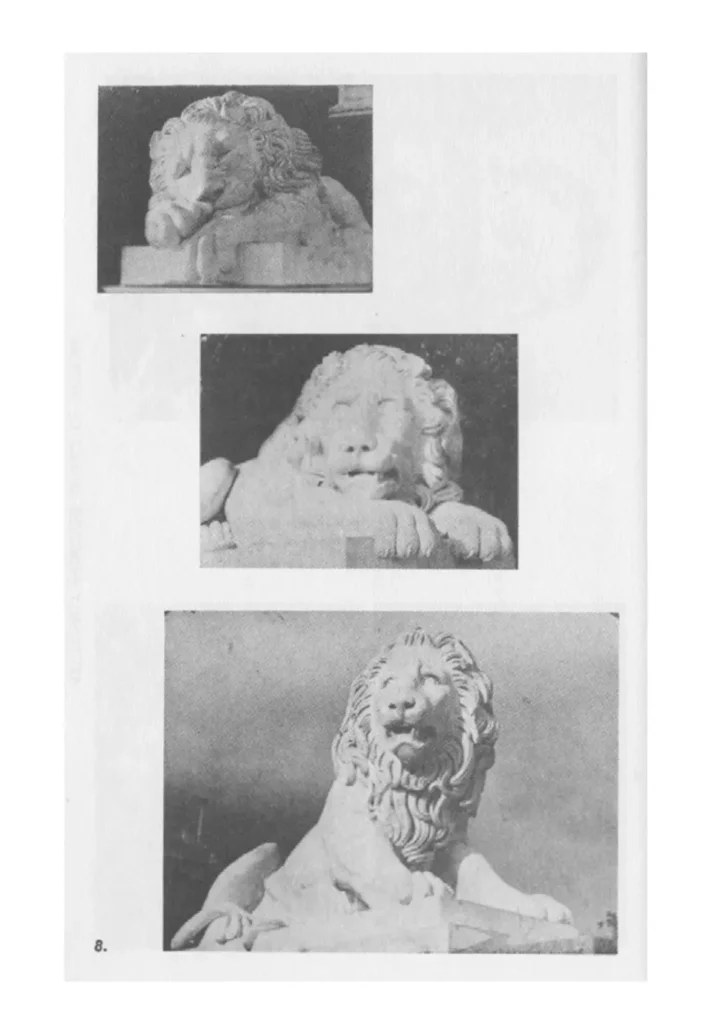
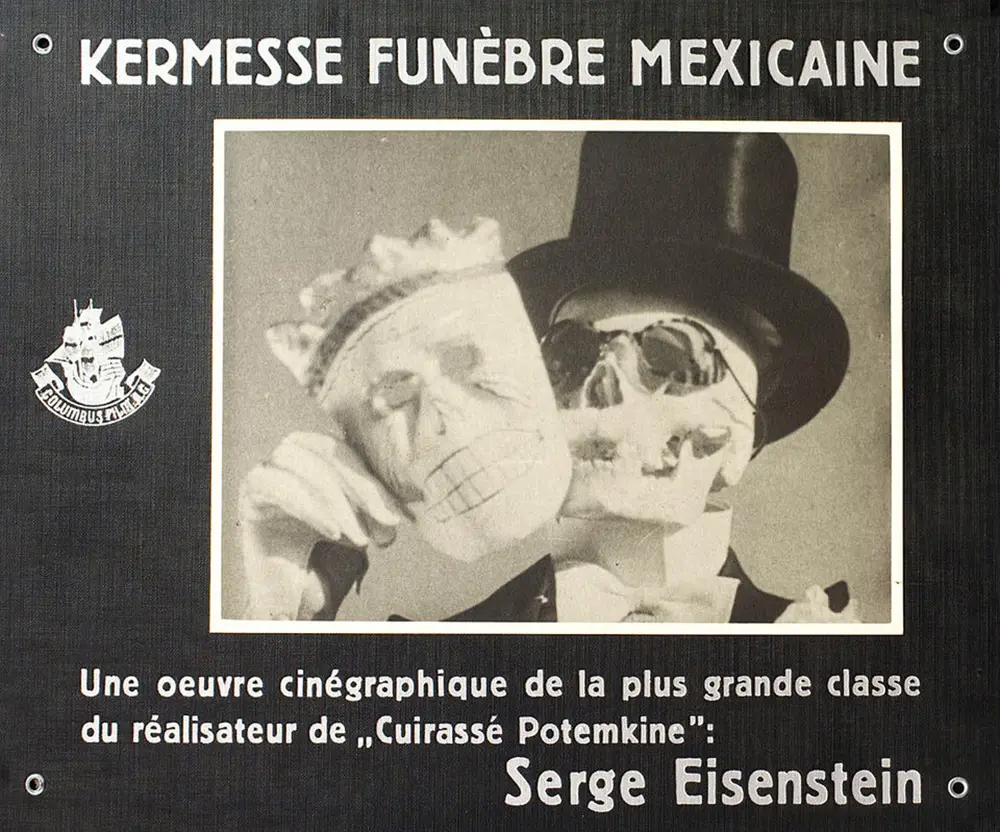
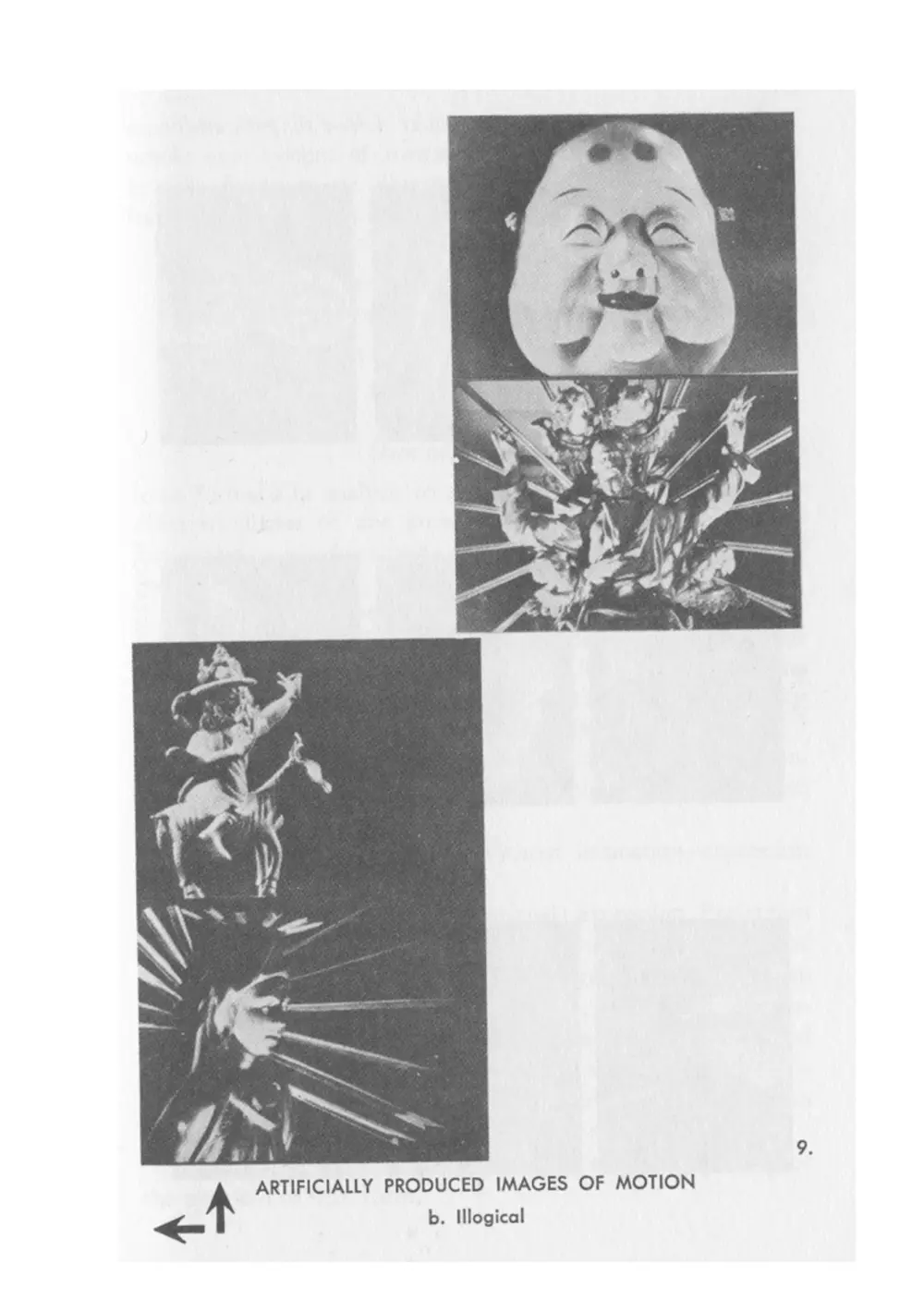
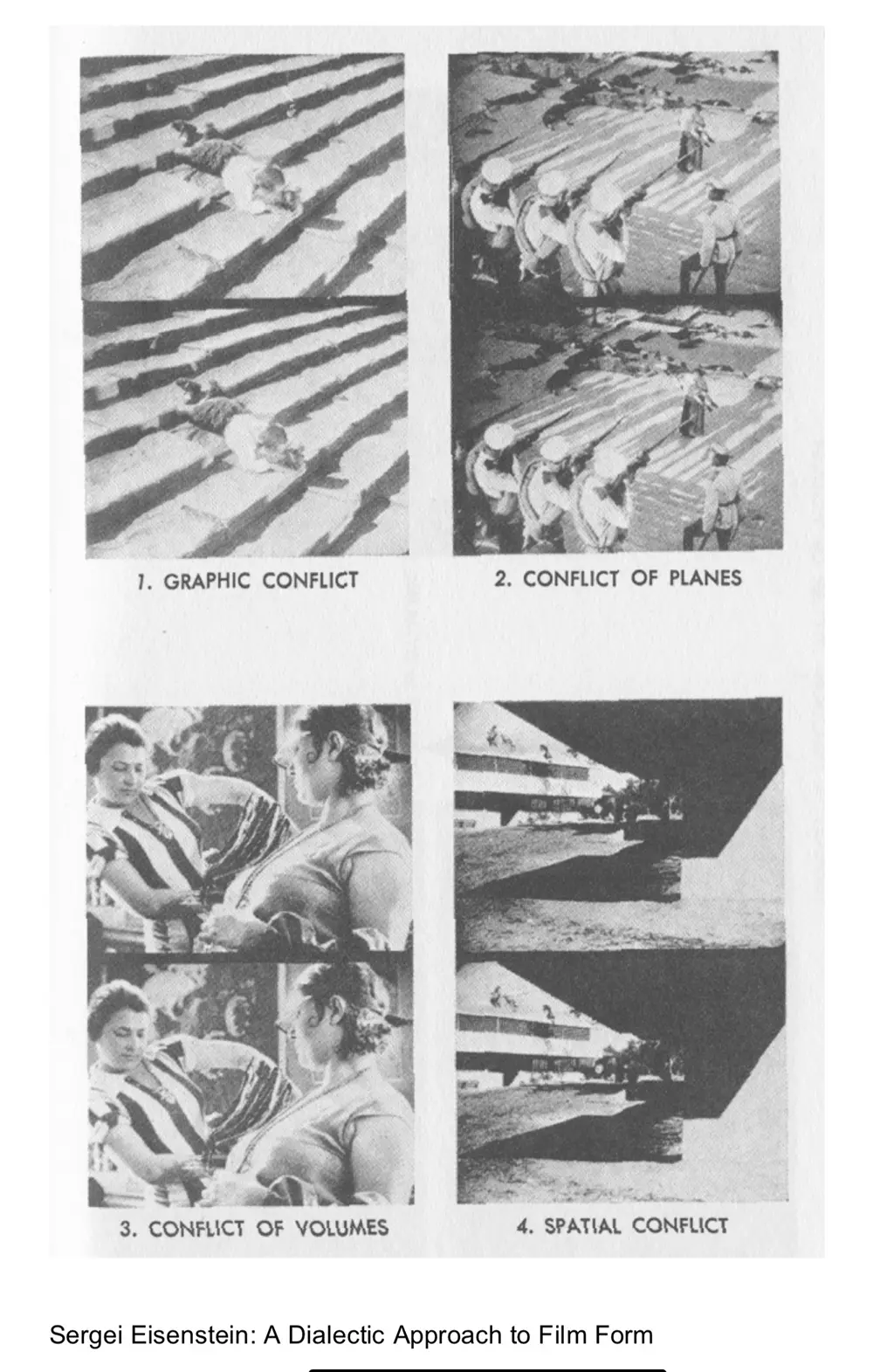
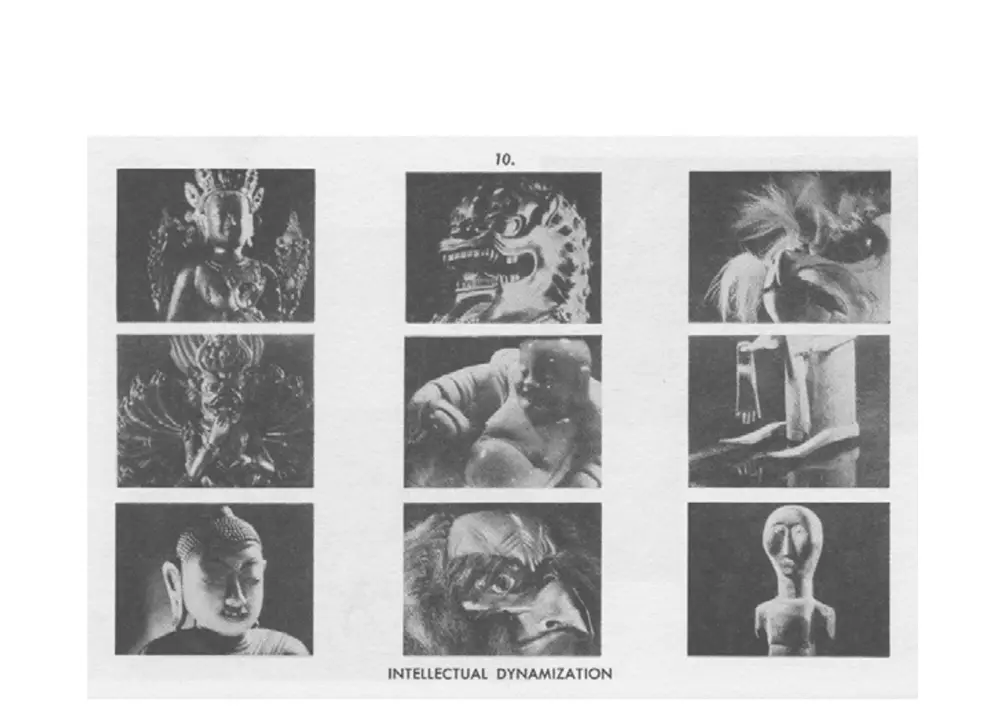
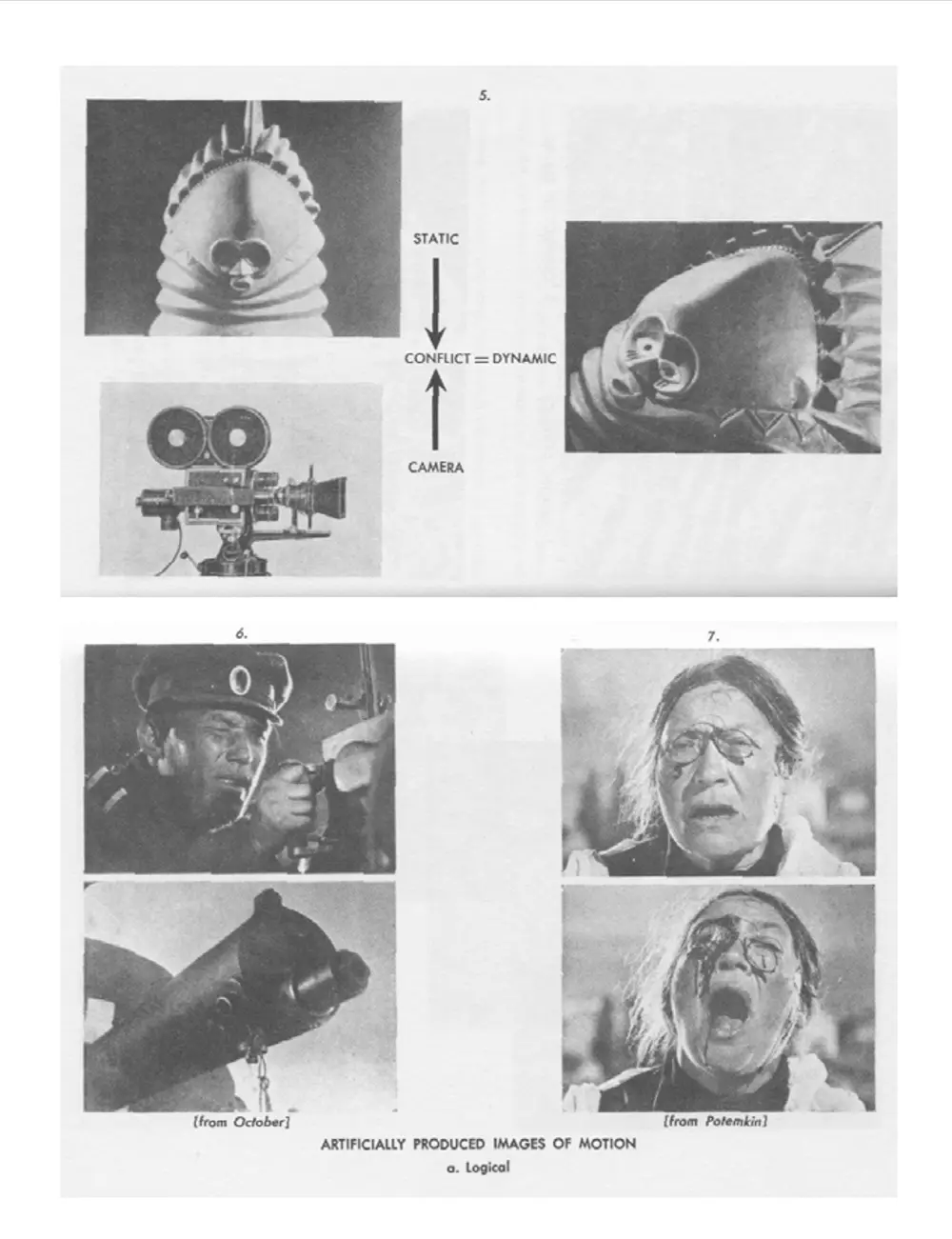
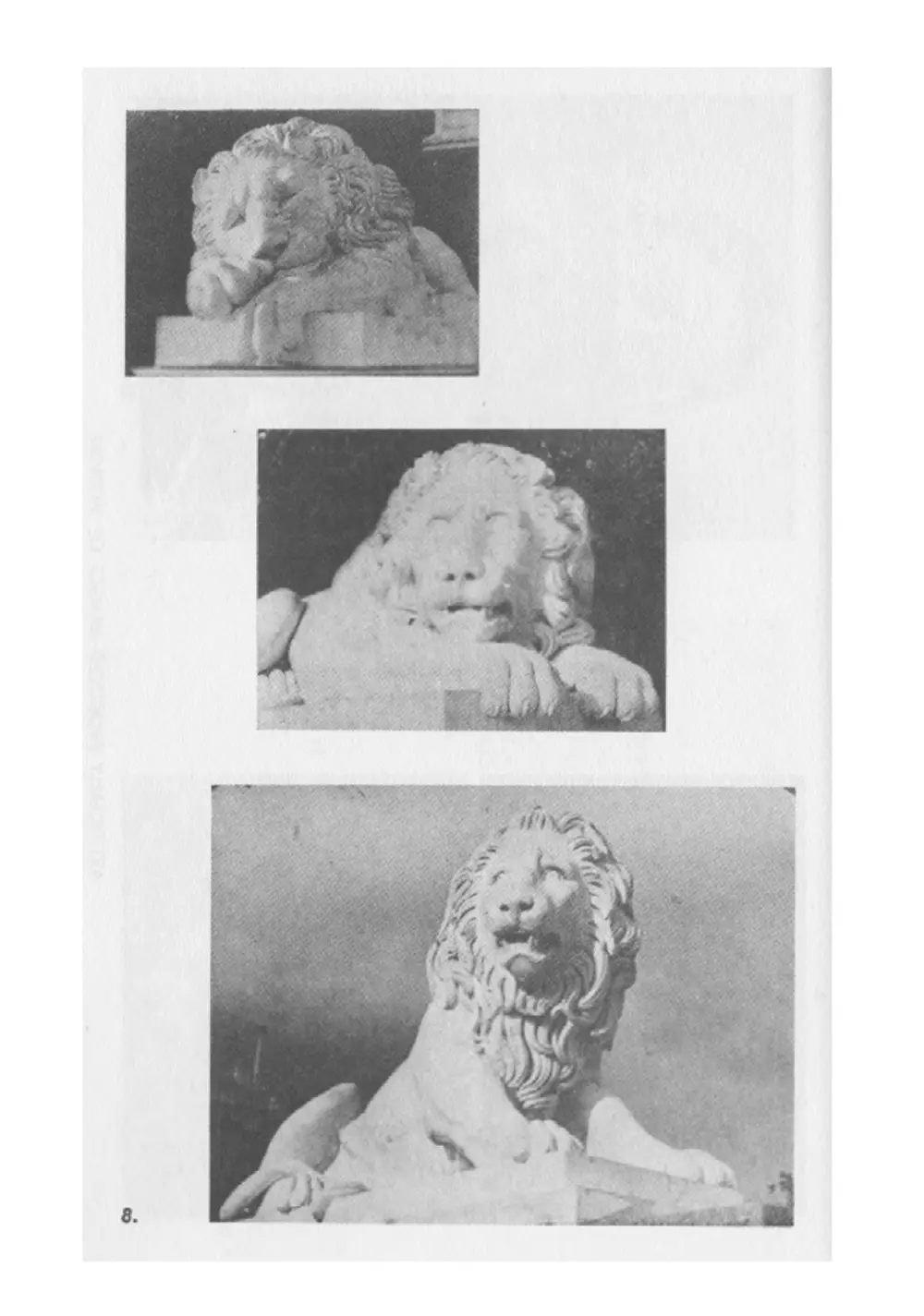
“Soviet Montage,” a term born from the French “assemblage,” finds its most eloquent voice in Eisenstein. His groundbreaking essay, “A Dialectic Approach to Film Form,” penned in 1929, remains a touchstone, a guiding star for filmmakers even today. Eisenstein’s films reshaped the landscape of cinema, his work a “visual counterpoint” where “continuity editing,” “rhythmic montage,” and “metric montage” intertwine, creating a tension, a dynamic interplay between film grammar and syntax. He sought to forge a new cinematic language, a counterpoint to the capitalist realism embodied by films like D.W. Griffith’s “Birth of a Nation” (1915) and Leni Riefenstahl’s “Triumph of the Will” (1935).
From the stark power of silent masterpieces like “Battleship Potemkin” (1925) and October (1928) to the epic sweep of historical narratives like “Alexander Nevsky” (1938) and Ivan the Terrible (1945-1958) scored by the genius of Prokofiev and Mussorgsky, Eisenstein’s journey was one of constant evolution. But it is “¡Que viva México!” that holds a particular magic, a film commissioned by the socialist firebrand Upton Sinclair, the man whose novel, “The Jungle,” ignited a flame beneath America’s conscience. Intended as an homage to Mexico’s journey, from its pre-Columbian roots to the fiery crucible of the Mexican Revolution, the film remained unfinished, a victim of financial woes and the shifting tides of political ideology.
Eisenstein returned from Mexico with a treasure trove of silent footage, thirty to fifty hours of captured moments, a testament to a vision unrealized. In the post-war era, as the shadows of communism and capitalism danced across the globe, “¡Que viva México!” became a legend, an epic fragment whispering tales of Mexico’s past, leaving behind rumors of lost footage and a profound Marxist influence that would shape generations of Mexican cinema.
The score, too, became a ghost, an echo of what might have been. Initially, Prokofiev was to lend his genius, but the film’s troubled production silenced his music. Shostakovich was considered, then the Mexican composer Gabriela Ortiz, but the music remained elusive, a phantom accompaniment to the fragmented film. Eisenstein envisioned music as an organic extension of the film’s dialectic, a complement to the unfolding drama. He even dreamed of incorporating the raw sounds of production – the clang of work, the rhythm of parades, the murmur of everyday life – weaving them into the very fabric of the score, a symphony of reality. This, too, remained a dream.
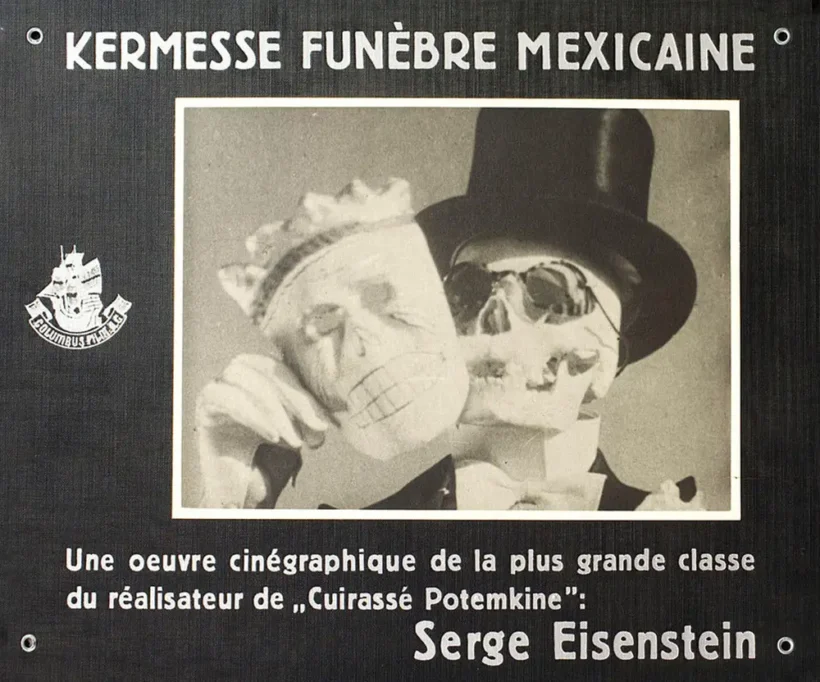
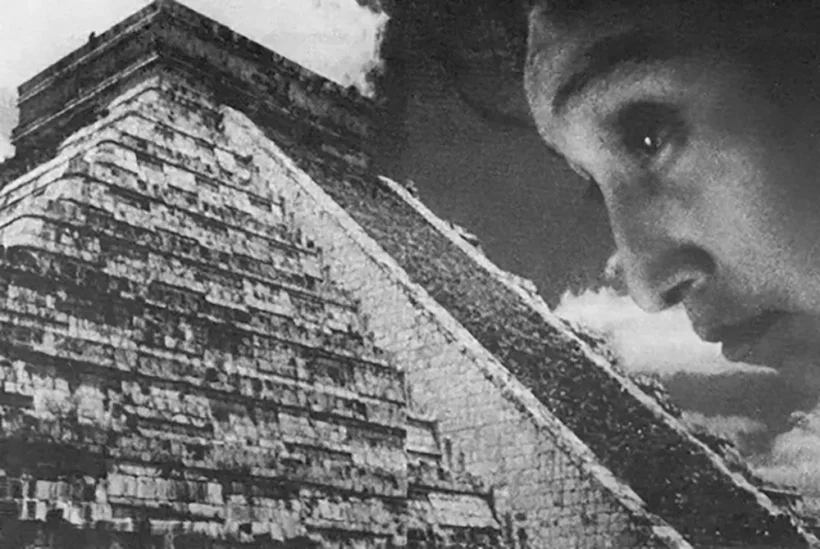
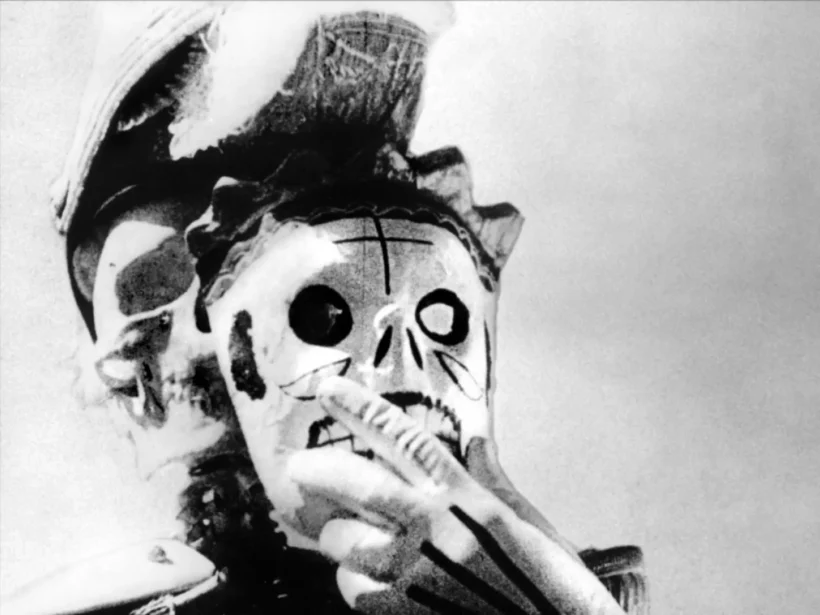
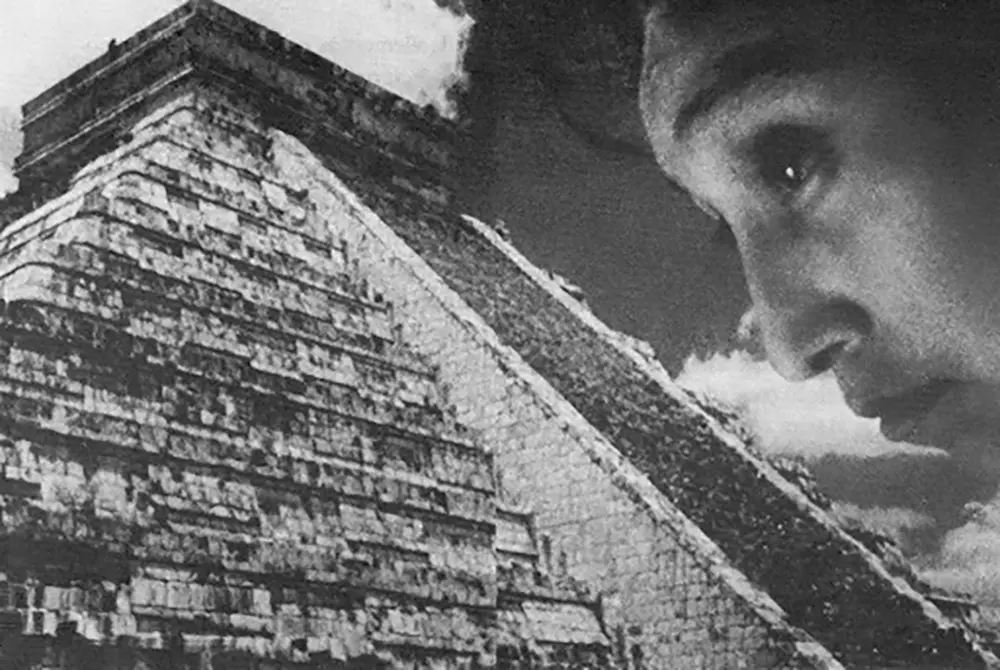
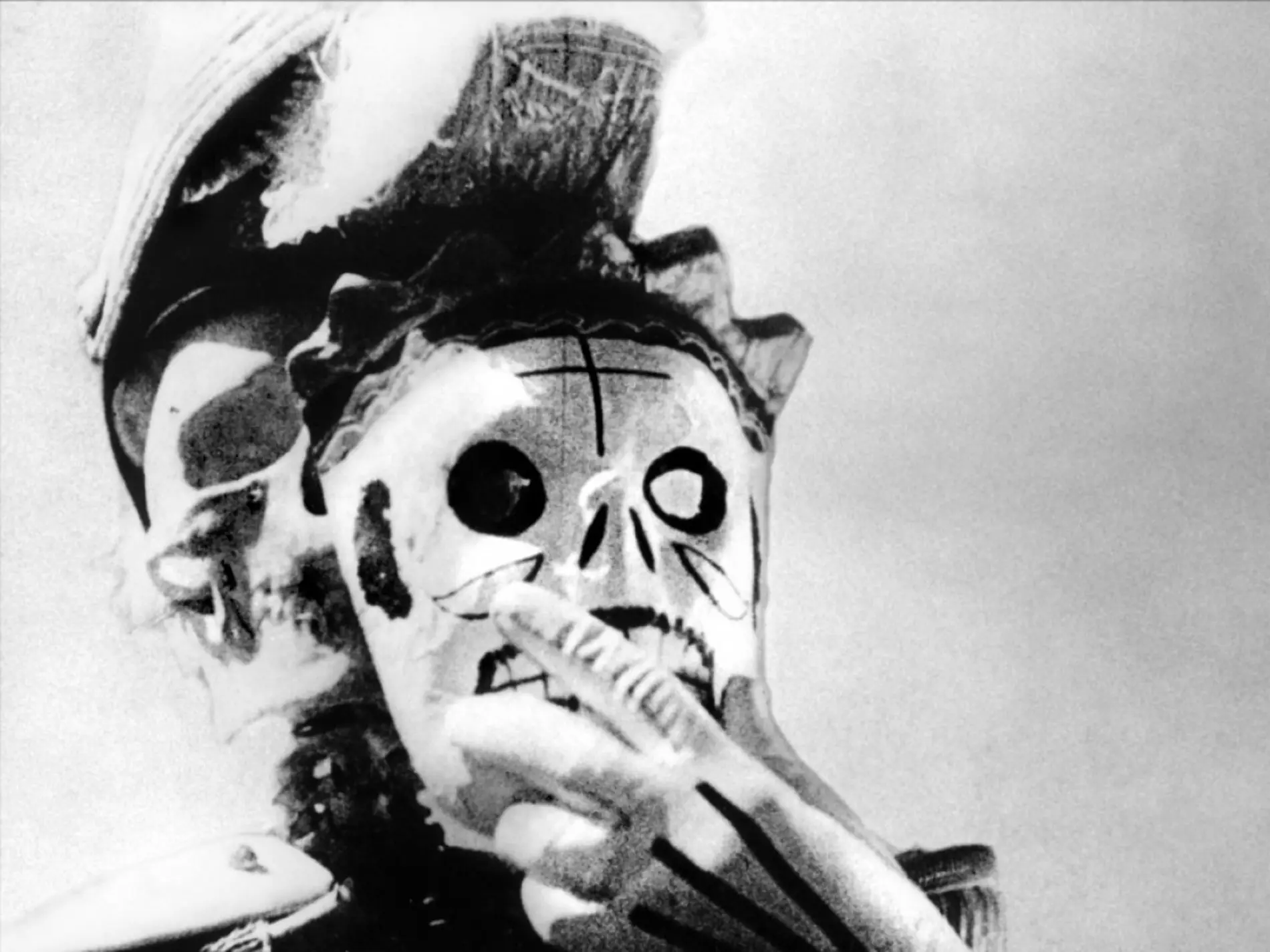
“¡Que viva México!”, at its heart, pulsates with the spirit of surrealism and expressionism, a dramatic portrayal of Mexico’s peasant uprising and the Revolution of 1910, a revolution that mirrored and inspired Russia’s own upheaval. Through the lens of montage and collage, Eisenstein captured the soul of Mexico, its diverse landscapes, from the vibrant hues of Oaxaca to the lush depths of Chiapas, leaving behind a legacy as potent and vibrant as the cry: “¡Que viva México!”
Eisenstein, when crafting his film scenarios, envisioned music as his constant companion. “I imagine the music as I work,” he confided, revealing a composer’s sensibility within his cinematic artistry. Just as a composer, before setting pen to paper, conjures the sounds and melodies that will breathe life into an opera’s libretto, Eisenstein aurally sculpted the sonic landscape of his films, even referring to his scenarios as “librettos,” as he did when courting Prokofiev’s musical genius for the Ferghana Canal project.
His most detailed scenario for “¡Que viva Mexico!”, whispers rather than shouts dialogue. The text, rich in description, suggests two potent sources of sound: music, born organically from the unfolding events, and noise, an equally visceral response to the happenings on screen. Both, deeply rooted in the traditional heart of Mexican cultures, pulse through each episode. One can almost hear the implied scores: one for the vibrant melodies, the other for the raw, authentic noise.
Eisenstein’s ambition for “¡Que viva Mexico!” reached symphonic proportions. He envisioned four distinct narratives, like movements in a symphony, bookended by a Prologue and Epilogue. The classical symphony, with its contrasting movements in tempo, style, and content, provided the perfect architecture. Each narrative, like a symphonic movement, stands largely alone, yet threads of connection weave through them. The shared themes of violence and death bind the Maguey and Soldadera episodes, while a romantic, lyrical air graces both the Sandunga and Fiesta. Furthermore, each of the film’s six parts features a unique folk song. Eisenstein yearned to unite these “songs, legends, tales from different parts of Mexico” into a symphonic whole, a unified cinematic poem—a “Film-Symphony”—that would capture the multifaceted soul of Mexico, both visually and aurally.
For his “overture,” the Yucatan Prologue, Eisenstein employs “the quaint rhythm of the drums” and “the high-pitched Maya song” to accompany a funeral procession, frozen in time. This music, primal and timeless, a blend of soaring voices and resonant drums, seeks to induce a trance-like state, transporting the mourners, and the audience, to an ancient realm.
Eisenstein, when crafting his film scenarios, envisioned music as his constant companion. “I imagine the music as I work,” he confided, revealing a composer’s sensibility within his cinematic artistry. Just as a composer, before setting pen to paper, conjures the sounds and melodies that will breathe life into an opera’s libretto, Eisenstein aurally sculpted the sonic landscape of his films, even referring to his scenarios as “librettos,” as he did when courting Prokofiev’s musical genius for the Ferghana Canal project – another unrealized film.
His most detailed scenario for “¡Que viva Mexico!”, whispers rather than shouts dialogue – that is the foundation of silent film. The text, rich in description, suggests two potent sources of sound: music, born organically from the unfolding events, and noise, an equally visceral response to the happenings on screen. Both, deeply rooted in the traditional heart of Mexican cultures, pulse through each episode. One can almost hear the implied scores: one for the vibrant melodies, the other for the raw, authentic noise. All telegraphed by by the body language of the actors as they move silently on screen.
Eisenstein’s ambition for “¡Que viva Mexico!” reached symphonic proportions. He envisioned four distinct narrative sections – Sandunga, Fiesta, Maguey, and Soldadera – like movements in a symphony, bookended by a Prologue and Epilogue. The classical symphony, with its contrasting movements in tempo, style, and content, provided the perfect architecture. Each narrative, like a symphonic movement, stands largely alone, yet threads of connection weave through them. The shared themes of violence and death bind the Maguey and Soldadera episodes, while a romantic, lyrical air graces both the Sandunga and Fiesta. Furthermore, each of the film’s six parts features a unique folk song. Eisenstein yearned to unite these “songs, legends, tales from different parts of Mexico” into a symphonic whole, a unified cinematic poem—a “Film-Symphony”—that would capture the multifaceted soul of Mexico, both visually and aurally.
For his “overture,” the Yucatan Prologue, Eisenstein employs “the quaint rhythm of the drums” and “the high-pitched Maya song” to accompany a funeral procession, frozen in time. This music, primal and timeless, a blend of soaring voices and resonant drums, seeks to induce a trance-like state, transporting the mourners, and the audience, to an ancient realm.
Imagine this approach updated, remixed, recalibrated for our time. That was the goal. That was the intention. I hope you can enjoy the mix as a new approach to silent film, as fresh and vivid as Eisenstein’s montages applied to dj culture.
The film score for “¡Que viva Mexico!” album title is “The Montage Theory.” I hope you can enjoy both the film score, and the film.
Paul D. Miller aka DJ Spooky
Livingston Manor 2025