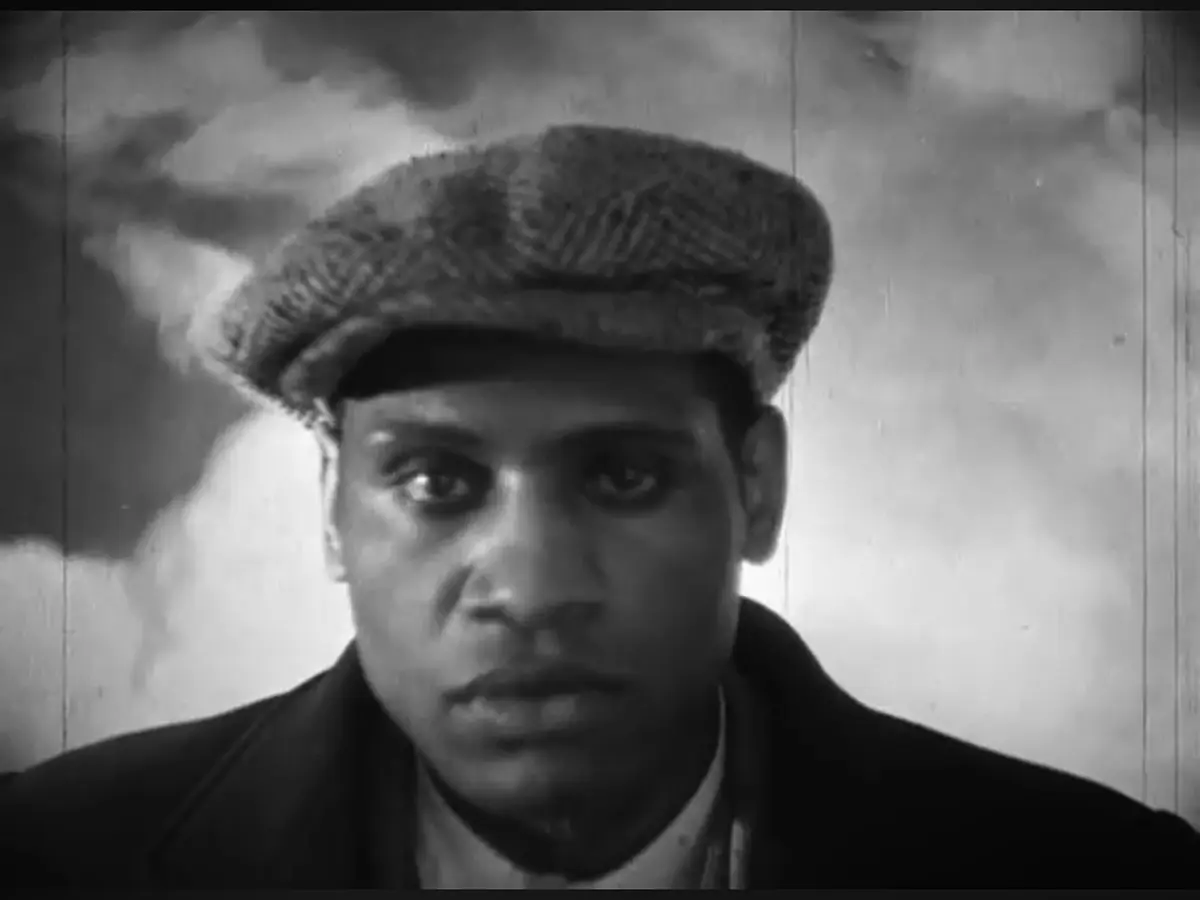
Paul Robeson: A Voice Unbroken – Echoes in the Shadow of History
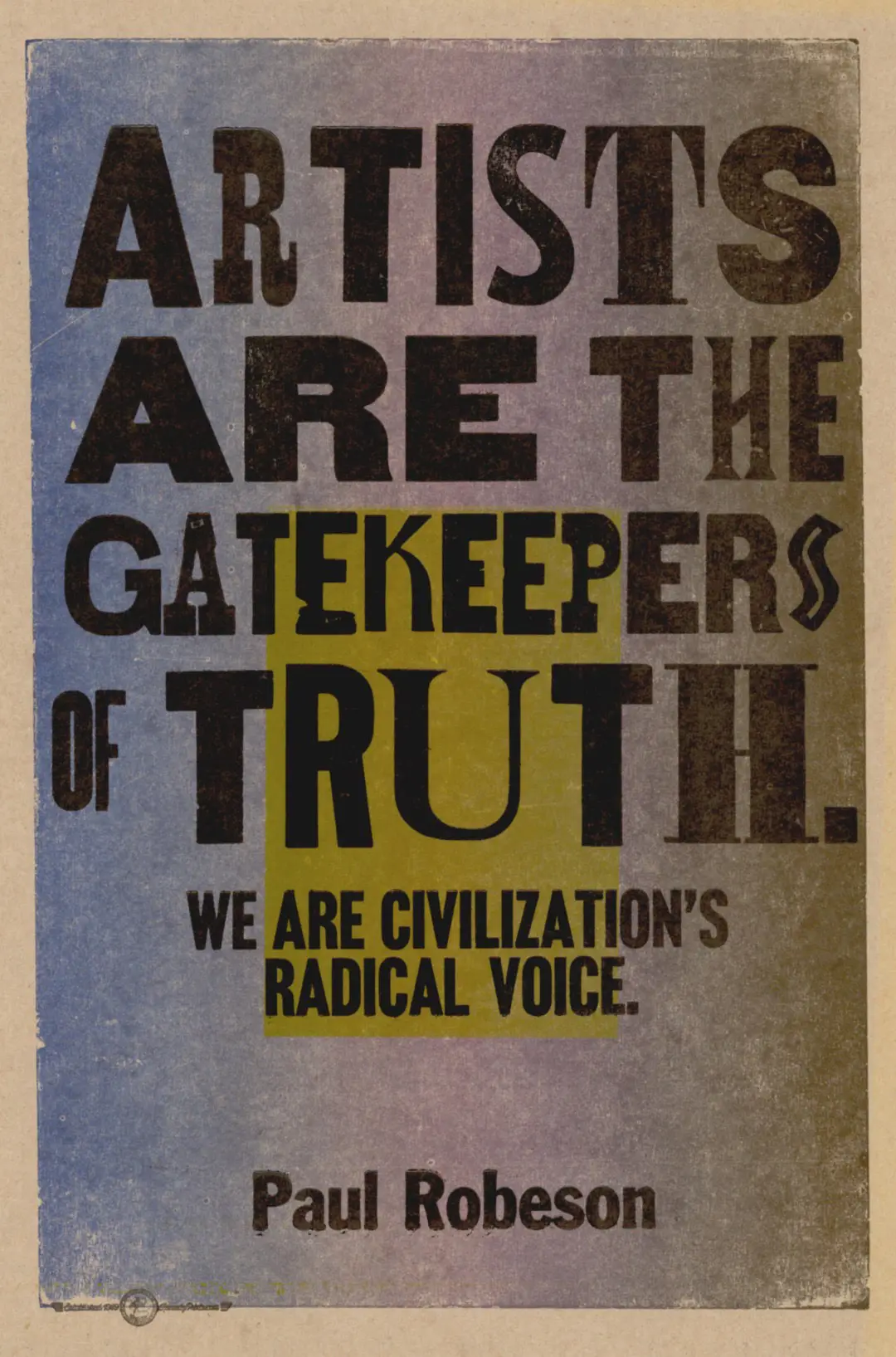
“Artists are the gatekeepers of truth… we are civilizations radical voice” – Paul Robeson
Artist Statement by Paul D. Miller aka DJ Spooky
When Kino Lorber commissioned me to do a new music score for Borderline, I felt the weight of Robeson’s legacy. I saw the shadows of Bert Williams, Thomas “Blind Tom” Wiggins, and Hazel Scott, pioneers erased from memory, but also recalled the legacy of jazz soundtracks like Miles Davis’s music for the 1957 film “Elevator to the Gallows” (L’Ascenseur Pour l’échafaud”), The Modern Jazz Quartet’s music for “No Sun in Venice,” Thelonius Monk’s music for “Les Liaisons Dangereuses” and Terence Blanchard’s music for Spike Lee’s films. Robeson’s life is a “permission structure,” a beacon of human potential – through music, theater, and activism, he simply created a space for all of us to realize another world is possible. These artists reshaped history, yet remain under-acknowledged. Recently Robeson received a 2025 Grammy nomination for a 14 CD collection of his work. His journey continues.
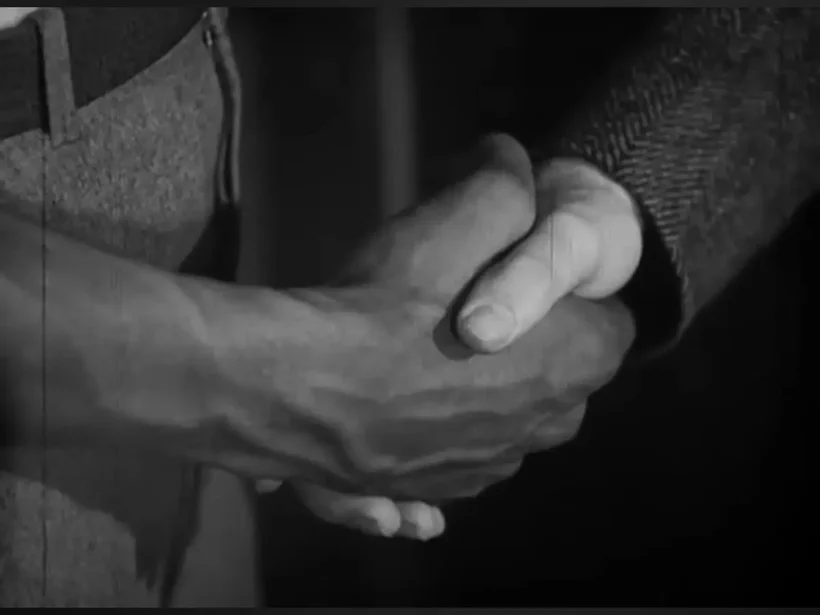
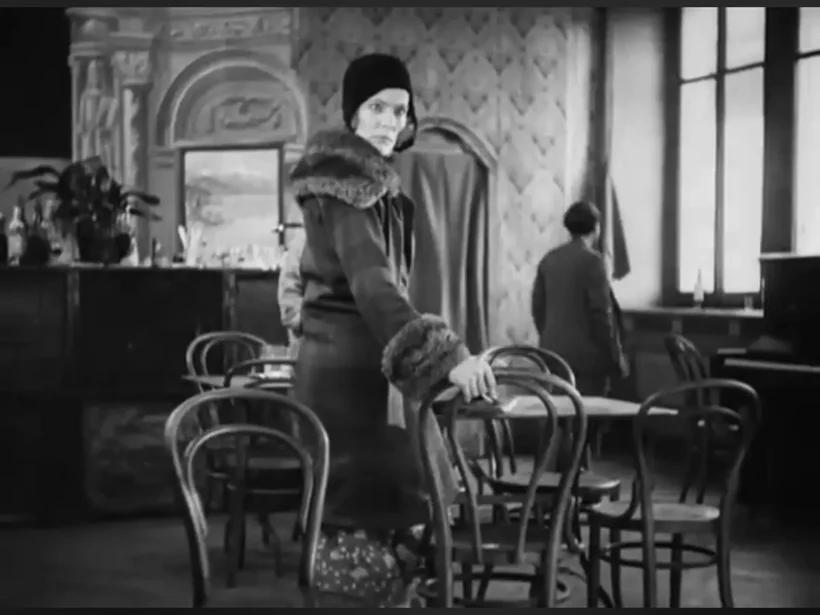
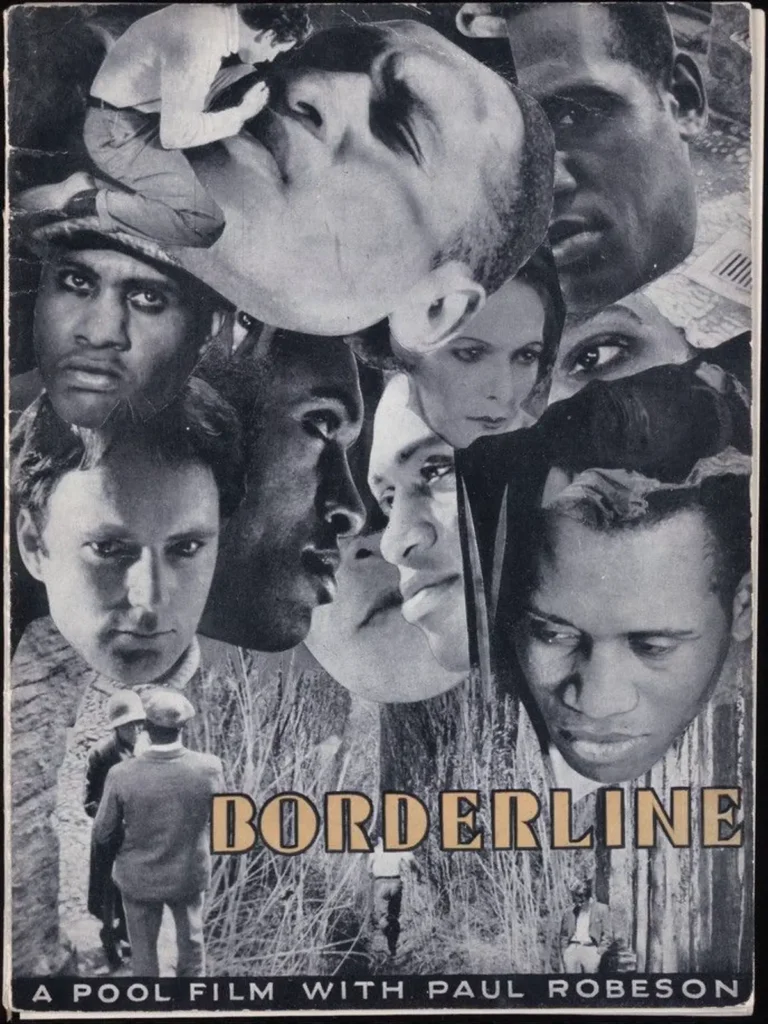
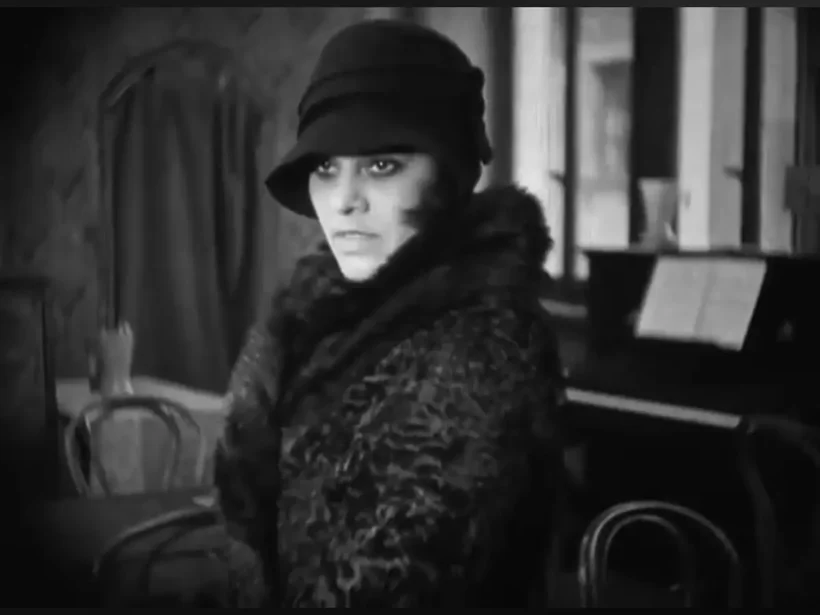
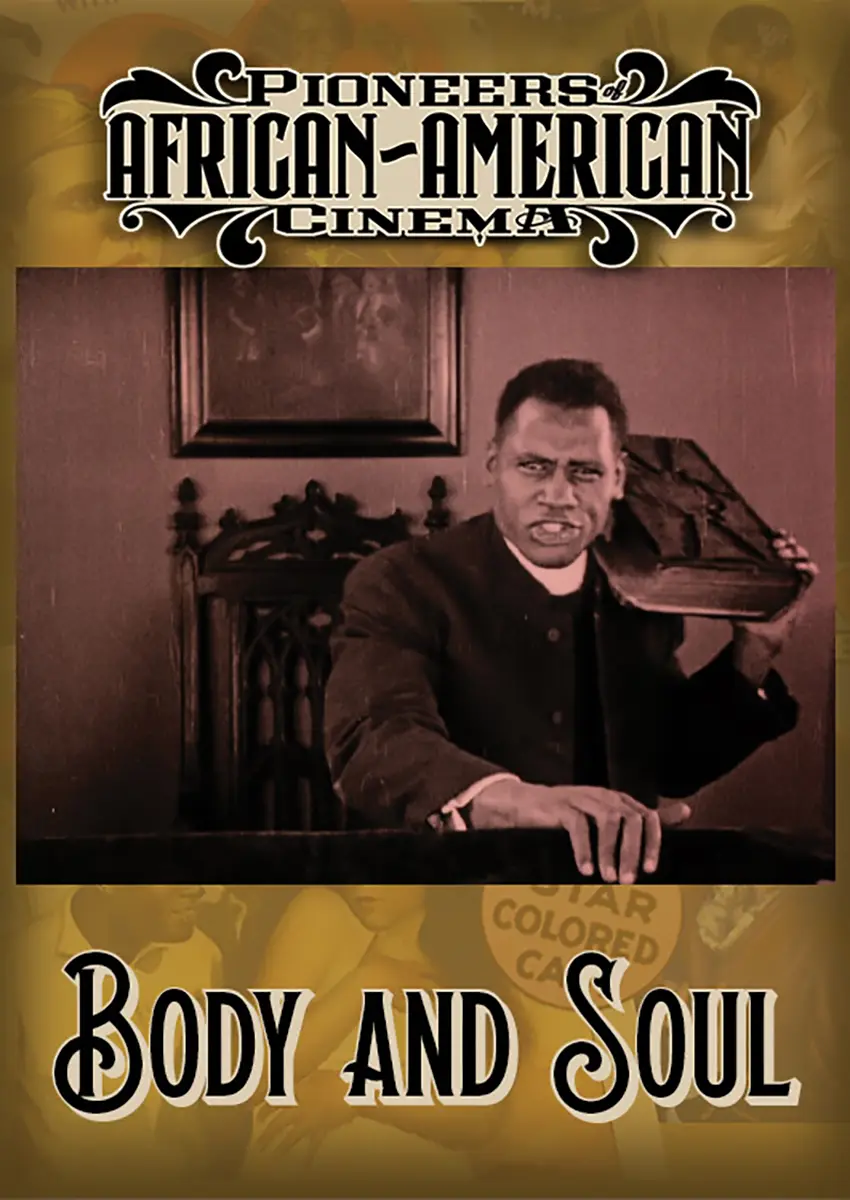
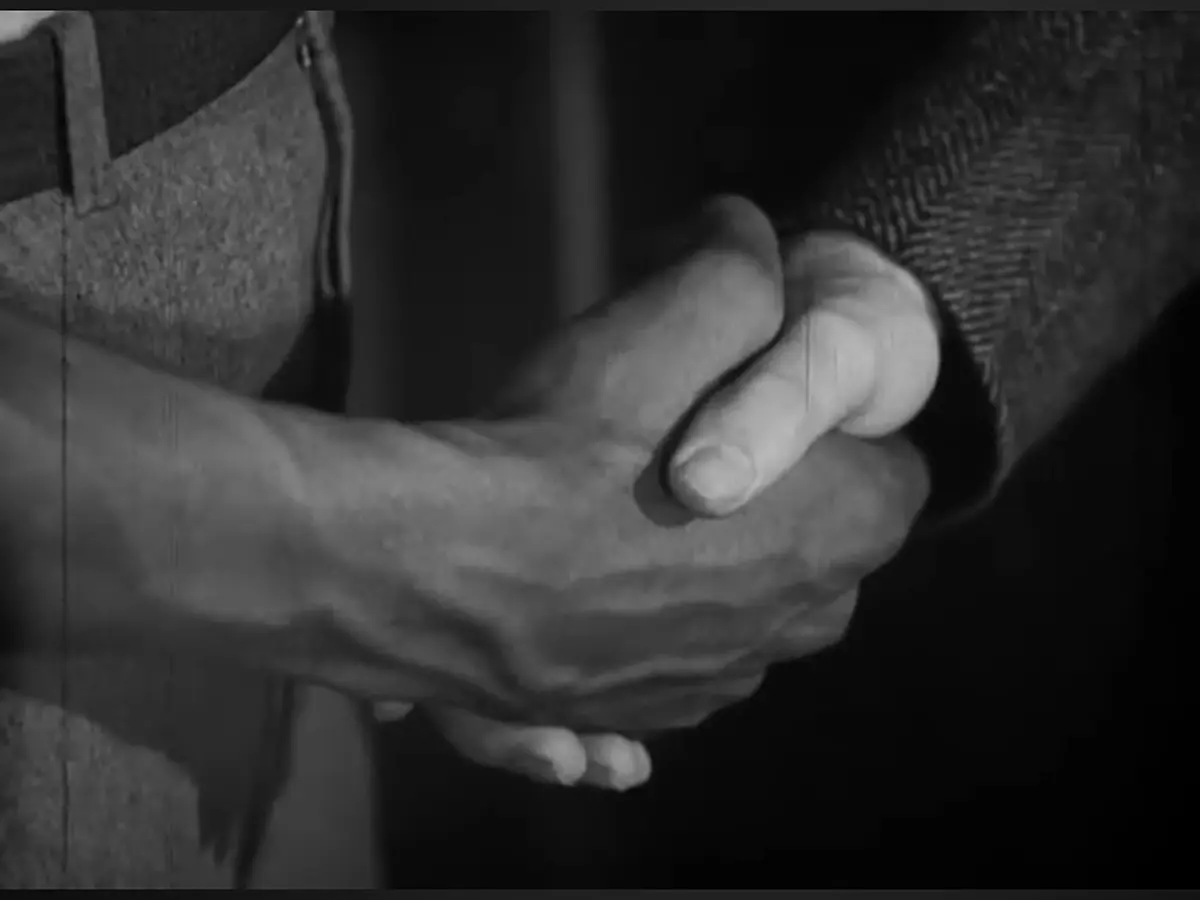
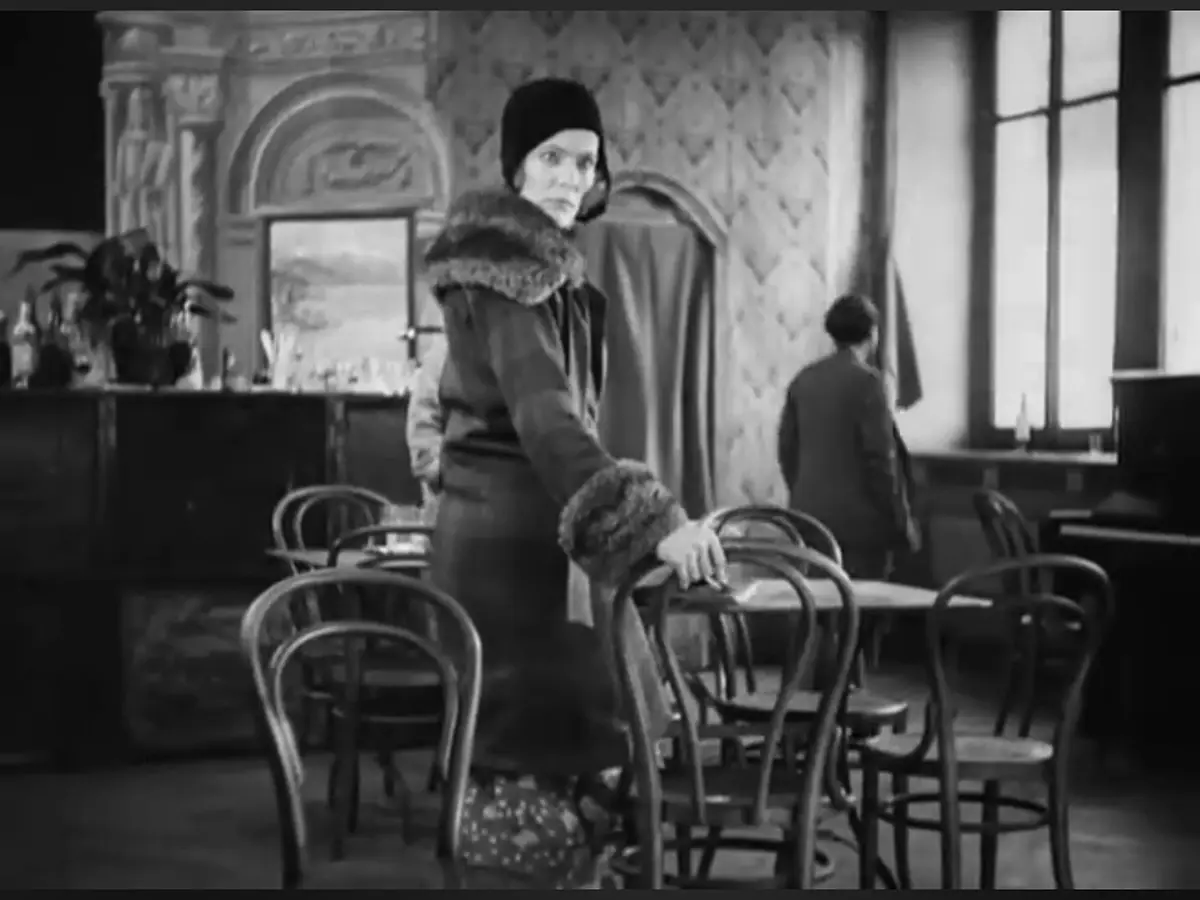
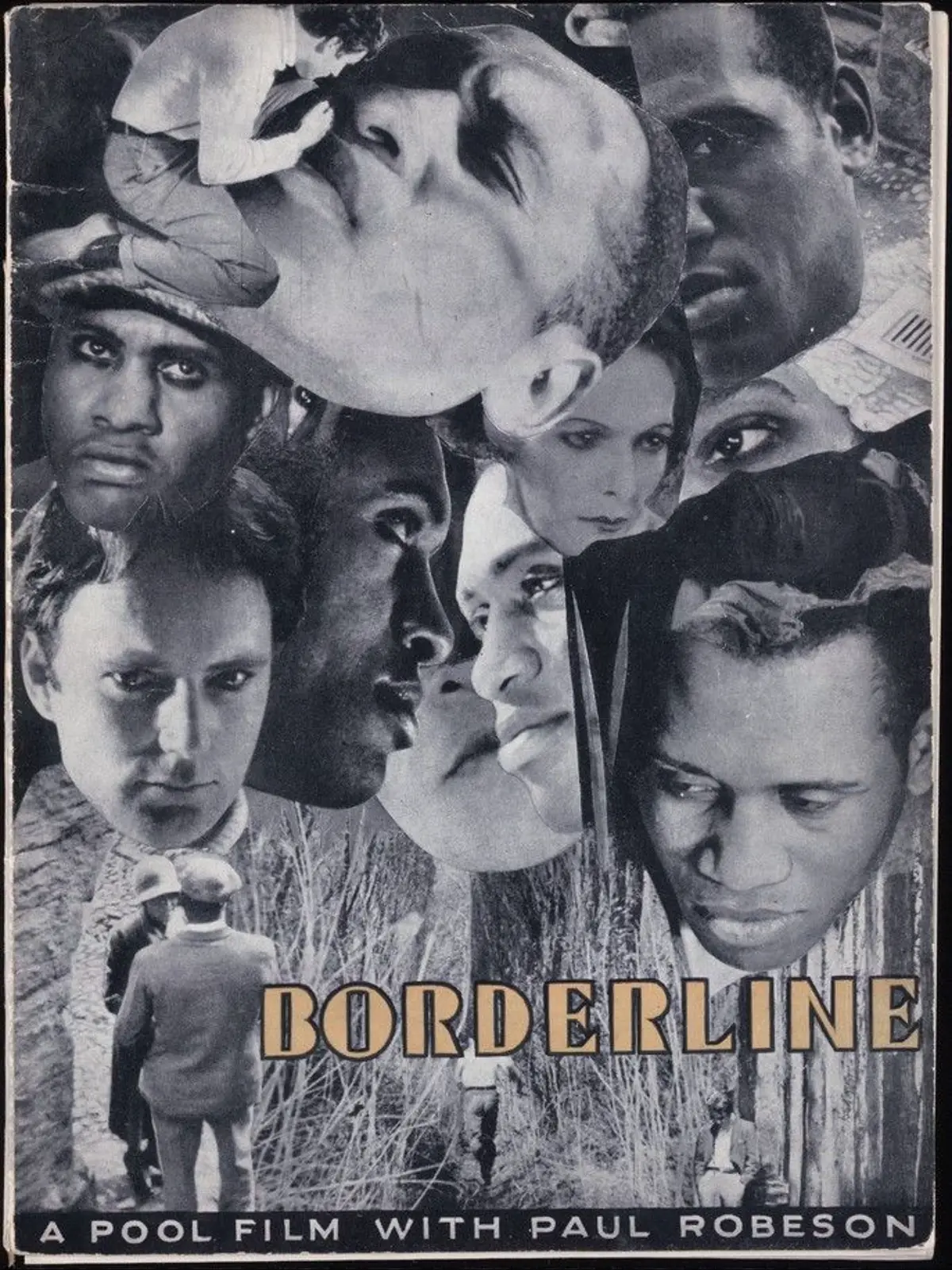
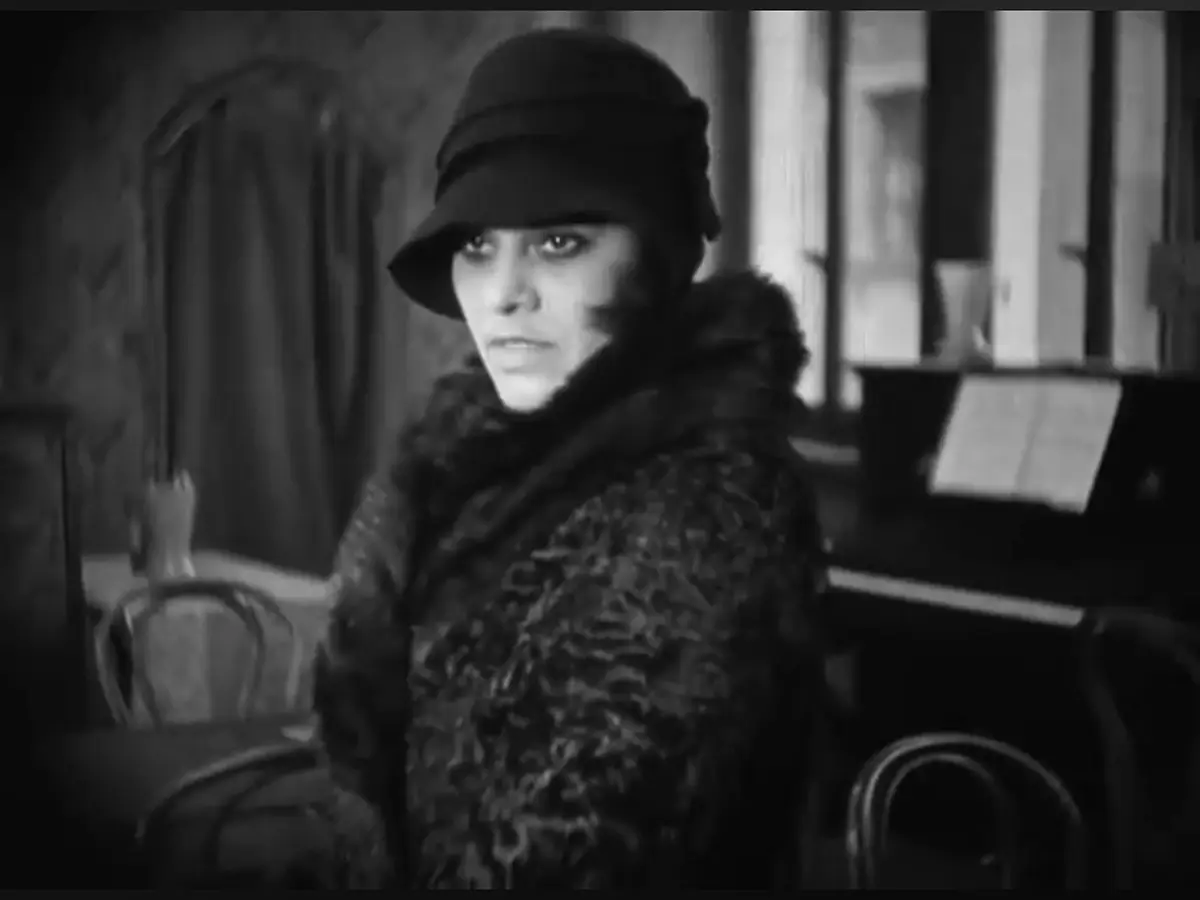
Borderline, directed by Kenneth Macpherson, blended G.W. Pabst’s psychoanalytic approach to film with a collage strategy based on his interest in Sergei Eisenstein’s dialectical montage, crafting a cinematic language of light and shadow, emotion and movement. How does this translate into a film score? Borderline’s avant-garde vision, featuring Paul and Eslanda Goode Robeson, challenged racial representation. Other examples of Robeson’s towering film work include his work in Oscar Micheaux’s films like the groundbreaking 1925 classic “Body and Soul” and other experimental works that further explored the Black experience. I have scored several of Michaeux’s films, and I wanted to expand the conversation for this particular project. Macpherson’s fusion of cinematic experimental technique and social commentary advanced the evolution of Avant-garde storytelling. I wanted to figure out how it would sound in 2025 and beyond.
Writing album liner notes is always a challenge. When I tasked the digital oracle, Gemini, with crafting ten titles for this meditation, it conjured visions ranging from “Paul Robeson: Artist, Activist, Iconoclast” to “The Cost of Conscience in the McCarthy Era.” This exercise in AI hallucinations revealed the prismatic legacy of Paul Robeson (1898-1976), a figure whose spirit still haunts the algorithms, a phantom of the 20th century. The digital echo chamber of modern streaming platforms, drawing from its vast archive, confirmed his art as an act of resistance, his blacklisting a chilling whisper of suppressed truth. As Robeson himself declared, “My father was a slave, and my people died to build this country.” In the American landscape of thought, the mind becomes a battleground, a theater that mirrors the hidden narratives, the planted evidence of our collective memory. Even the algorithms agree: your mind is the crime scene.
Paul Robeson’s life was a symphony of defiance, a testament to art’s transformative power. He was a voice banished from the airwaves, a twenty-five-year silence imposed by the icy grip of McCarthyism. Yet, his journey began in the flickering shadows of Kenneth Macpherson’s Borderline (1930), a forgotten gem of a film marking the dawn of sound and the end of silent film.
Borderline was a crossroads, a moment where Robeson’s destiny intersected with the avant-garde, a multicultural tapestry foreshadowing his cultural ascent. To grasp his impact, one must journey through the crucible of American theater, from the minstrel shows and vaudeville’s complex dance to the nascent film industry, reflecting the African American Great Migration’s seismic shift from South to North. These mediums, entwined with theater, reflected a nation in flux, from the Depression’s despair to the Civil Rights movement’s awakening. His 1943 Othello, a monument of multicultural casting, still stands as the longest-running Shakespearean play in Broadway history, a beacon decades ahead of Loving v. Virginia. We are still catching up to his vision.
A Legacy Woven in Theater and Cultural Transformation:
The Dawn of Robeson’s Voice:
The late 19th and early 20th centuries echoed with the minstrel shows’ distorted melodies, yet figures like Bert Williams, a master of complex racial performance, dared to challenge the shadows. Williams, a vaudeville virtuoso, used blackface as a mirror, reflecting the era’s fractured soul. He played a black man playing a white man playing a black man in blackface. It is a labyrinth of racial performance.
Robeson emerged amidst the Harlem Renaissance’s vibrant bloom, a garden of artistic rebirth. His performances, including O’Neill’s The Emperor Jones (1924), shattered racial molds. His Show Boat (1928) in London solidified his international stature. His baritone, a river of sound, brought dignity to the stage. The Harlem Renaissance, with its poets like Langston Hughes and storytellers like Zora Neale Hurston, was the fertile ground from which Robeson’s artistry grew.
Film, a Canvas for Robeson’s Vision:
Borderline (1930) was a pivotal moment, a bridge between worlds, showcasing Robeson’s ability to transcend racial boundaries. Kenneth Macpherson, a visionary of cinema, captured the spirit of the avant-garde. Think of his 1930 project as a first step in the cultural evolution of a cinematic world where Robeson would begin his journey in film. The Emperor Jones (1933), directed by Dudley Murphy, translated his stage triumph to the screen, a reflection of the era’s racial tensions. Oscar Micheaux, a cinematic pioneer, crafted films like Within Our Gates (1920), painting complex portraits of Black life. Song of Freedom (1936) and Jericho (1937) allowed Robeson to explore the depths of African identity, expanding his artistic and political horizons.
Music and Activism, a Dual Symphony:
Robeson’s repertoire, from spirituals to classics, was a weapon of social commentary. “Ol’ Man River” became an anthem for the oppressed. His voice, broadcast across the airwaves, carried messages of justice. His political courage, his support for the Soviet Union, and his advocacy for civil rights led to his silencing during the McCarthy era.
The Enduring Echo:
Robeson’s legacy reverberates through contemporary artists like Spike Lee, Denzel Washington, Questlove, Beyoncé, August Wilson, Barack Obama, Jordan Peele, Colson Whitehead, and Boots Riley – creatives who navigate the intersections of art and social change. He inspired figures like Frantz Fanon, Harry Belafonte, Sonny Rollins, James Baldwin, Langston Hughes, Hazel Scott, Odetta, and James Brown, who used their voices to challenge inequality. There is more. The Wooster Group’s re-imagining of The Emperor Jones in the 1990’s echoed Robeson’s enduring influence. Kendrick Lamar’s Super Bowl performance and Childish Gambino’s “This is America” reflect the seeds of social consciousness Robeson planted. The list goes on… Robeson’s life was a dialectical dance, a constant negotiation between past and future. He was an “avatar of change,” bridging the chasm between slavery’s legacy and the fight for civil rights. His refusal to conform, his commitment to justice, made him a target. As George Bernard Shaw once said, “The reasonable man adapts himself to the world. The unreasonable man persists in trying to adapt the world to himself. Therefore all progress depends on the unreasonable man.” Robeson was that “unreasonable man.”
I hope you find the musical score I created for Borderline to be a fitting tribute to Robeson’s enduring spirit.
Paul D. Miller aka DJ Spooky
Livingston Manor 2025